EN


Home > News & Blog > News
Sourcing impellers and blades is different from buying simple machined parts. The geometry is complex, tolerances are tight, and a poor supplier choice can cost weeks of rework. This article outlines a practical checklist for evaluating a 5-axis machining supplier.
1. Start with the machine, but don't stop there
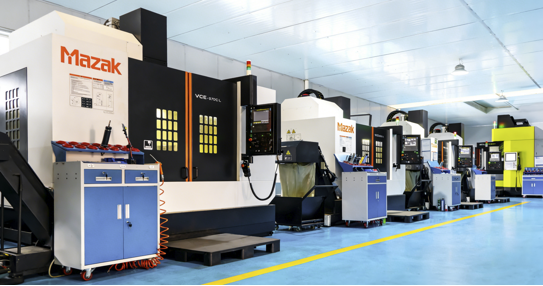
Ask what machines the supplier runs and how many axes they have. A true 5-axis machine with simultaneous control is different from a 3+2 positioning machine. For impellers and blades, simultaneous 5-axis capability is usually required. Also ask about the control system and whether the supplier has experience with the specific kinematics of their machines.
2. Check programming and CAM capability
The machine is only half the story. Complex blade geometry requires experienced CAM programming—collision checking, smooth tool axis control, and optimized toolpaths. Ask which CAM software the supplier uses and whether they program in-house. A supplier who outsources programming may struggle to control quality and lead time.
3. Ask about thin-wall and deflection control
Blades are typically thin-walled, and deflection during machining is a common failure point. Ask how the supplier controls wall thickness and deflection—for example, through toolpath strategy, adaptive feed rates, or in-process measurement. Specific answers here indicate real experience.
4. Request metrology and inspection details
Complex parts need proper inspection, not just calipers. Ask whether the supplier has a CMM, how they fixture parts for inspection, and whether they can provide full dimensional reports. For aerospace or energy applications, ask about traceability and material certificates.
5. Verify experience with your material
A shop that excels at aluminum may struggle with titanium or Inconel. Ask for examples of parts made in your specified material and what cycle times and tool life they achieved. Material experience directly affects cost and reliability.
6. Review quality system and communication
Check whether the supplier holds relevant certifications (ISO 9001, AS9100 if applicable). Equally important is communication: response speed, willingness to discuss technical details, and whether they raise issues early. A supplier who asks good questions during quoting is usually a better long-term partner.
7. Test with a small order first
Before committing to volume production, place a trial order or request a sample part. This reveals actual quality, lead time, and how the supplier handles problems. It is a small investment that prevents larger risks.
Evaluating a 5-axis supplier for impeller and blade work requires looking beyond price and machine lists. Programming capability, thin-wall experience, inspection standards, and communication all matter. A structured evaluation process protects your project timeline and reduces quality risk.


 Hot News