EN


Home > News & Blog > Blog
In the world of making parts like impellers, two main ways are often used: casting and 5-axis CNC machining. Both methods have their own benefits and downsides. People in the manufacturing business, like us at YIQIN, must think carefully about which method will give them the best results for their projects. Precision is key when creating parts that need to fit perfectly in machines. This article will dive into how 5-axis cnc machining can offer better precision for impellers compared to casting, and we’ll look at both methods closely.
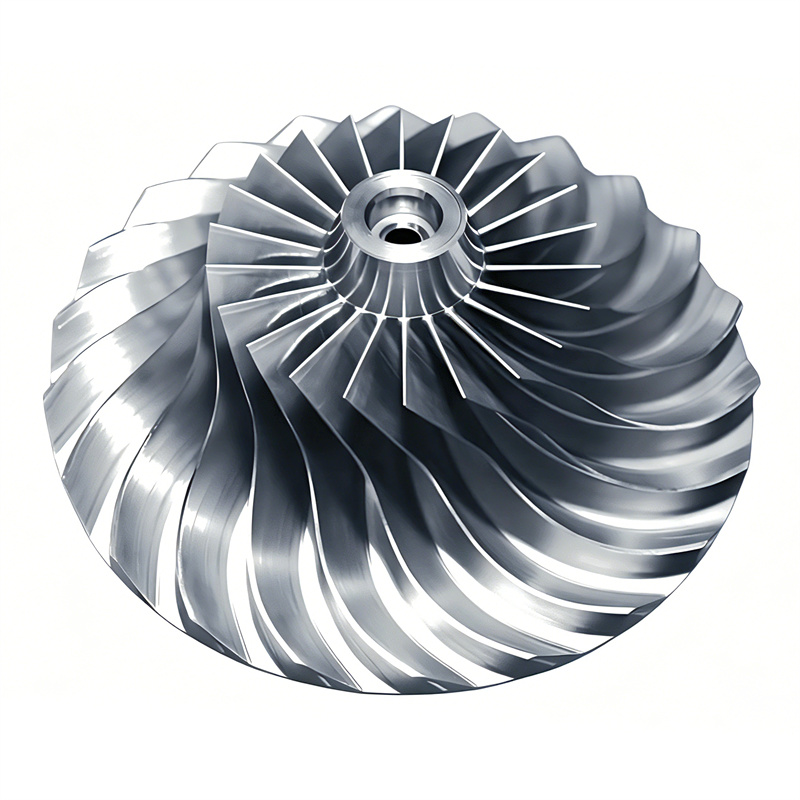
When it comes to making impellers, 5-axis CNC machining stands out. This method uses advanced computer technology to control cutting tools. What’s cool about 5-axis is that it can move in multiple directions at once. This means it can cut complex shapes more accurately than other methods. For wholesale buyers, this is especially important. Imagine needing lots of impellers that all have to fit together perfectly. Even a tiny mistake can lead to big problems. With 5 axis cnc machining, the chances of errors are much lower.
For example, if a buyer needs 100 impellers, they can trust that each one will be almost identical to the others. This consistent quality is crucial for companies that rely on parts fitting together just right. Also, 5-axis machines can work on different angles and sides of the impeller at once. This saves time and reduces the need for multiple setups, which can lead to more mistakes. It also means that the final product can have intricate designs that might be hard to achieve with casting methods. Buyers looking for high quality and impeller precision should lean toward 5-axis CNC machining for their impeller needs.
Casting and CNC machining are like two sides of a coin. Casting involves pouring molten metal into a mold to create an impeller. This method can be great for making large quantities of parts quickly and is often less expensive. However, casting can sometimes lead to imperfections in the final product. If the mold isn't made perfectly, or if the metal doesn't flow correctly, the impeller can come out with rough edges or uneven surfaces.
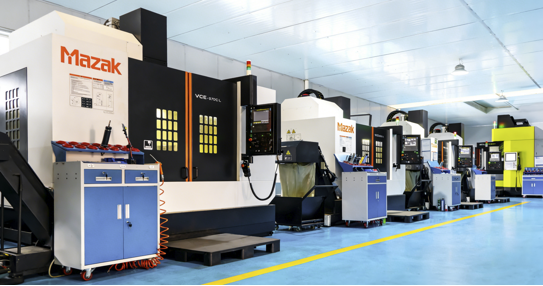
On the other hand, CNC machining, especially 5-axis machining, tackles these issues head-on. When we use CNC machining at YIQIN, we start with a solid block of material, and the machine carves out the impeller shape with high precision. The result is a smoother surface and more accurate dimensions. However, 5 axis machining can take longer and cost more upfront compared to casting.
So, wholesale buyers have to weigh their options. If they need a lot of parts in a hurry and can accept some imperfections, casting might work. But if they want each impeller to be spot-on perfect, CNC machining is the way to go. Each method has its own place in manufacturing, and knowing the differences can help buyers make the best choice for their projects.
When it comes to making impellers, which are important parts used in machines like pumps and turbines, there are two main methods: casting and 5-axis CNC machining. Each method has its own way of creating these parts, and they can lead to different results. Casting is like pouring liquid metal into a mold to shape it. This can be a good way to make big parts quickly, but sometimes it doesn’t get all the details just right. On the other hand, 5-axis CNC machining is a more high-tech way of cutting and shaping metal. It uses a computer to control a machine that moves in many directions. This method can create very detailed and precise shapes. So, when we ask, "Which method delivers better results?" the answer often leans towards 5-axis CNC machining. This method allows for better precision because the computer can control the cutting tools very carefully. It can reach angles and shapes that might be hard to achieve with casting. YIQIN focuses on using 5-axis CNC machining for making impellers because it helps us produce high-quality parts that fit perfectly in machines. When we create a part with 5-axis CNC machining, we can be sure that it will work well and last a long time. Customers who choose YIQIN for their impellers often notice the difference in quality compared to those made through casting. The precision of 5-axis CNC machining means fewer mistakes and better performance, making it the preferred choice for many projects.
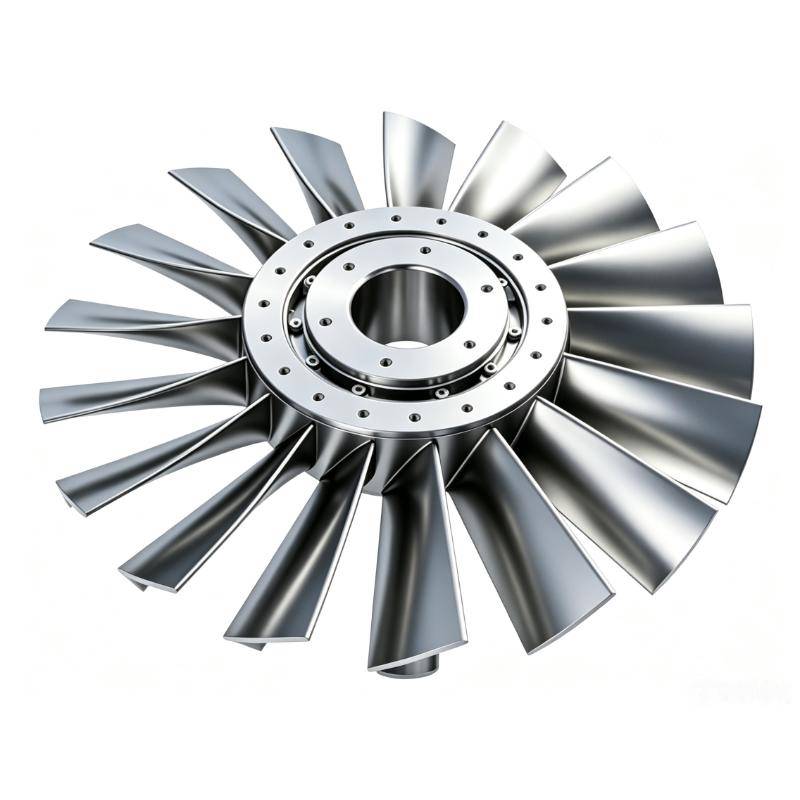
One big advantage is the ability to create complex shapes. Impellers often have many curves and angles, and 5-axis CNC machining can handle these designs easily. It can move the cutting tool in multiple directions, which allows it to reach areas that might be hard to get to with other methods. This means that parts made by YIQIN can be more accurate and detailed. Another advantage is the speed of production. Even though 5-axis CNC machining can take time to set up, once it starts, it can produce many parts quickly. This is important for businesses that need a lot of impellers in a short time. Additionally, 5-axis CNC machining can use different materials. Whether it’s aluminum, steel, or other metals, YIQIN can make impellers to meet specific needs. This flexibility helps us serve many different customers. Lastly, the accuracy of 5-axis CNC machining leads to less waste. When we make parts that fit right the first time, there are fewer mistakes and less scrap material. This not only saves money but also helps the environment by reducing waste. Overall, these advantages make 5-axis CNC machining a great choice for producing high-quality impellers.
Finally, let’s talk about what influences wholesale pricing for impellers. The cost of producing impellers can vary based on several factors, and understanding these can help customers make informed decisions. First, the method of production is a key factor. As mentioned earlier, casting is usually less expensive than 5-axis CNC machining. However, the lower price of casting might come with drawbacks, such as lower precision. At YIQIN, we aim to provide the best value for our customers, which means balancing quality with cost. Another factor influencing pricing is the materials used. Different metals have different costs. For example, aluminum is generally cheaper than stainless steel. If a customer wants impellers made from a specific high-quality material, the price may go up. The complexity of the design also plays a role. More intricate designs take longer to produce and may require special tools, which can increase costs. Lastly, the quantity ordered can affect pricing. Ordering in bulk often leads to discounts, while smaller orders may cost more per unit. At YIQIN, we offer competitive prices while ensuring that our customers receive the highest quality impellers. By understanding these factors, customers can make better choices when it comes to buying impellers for their projects.


 Hot News